
Book about Soviet propaganda
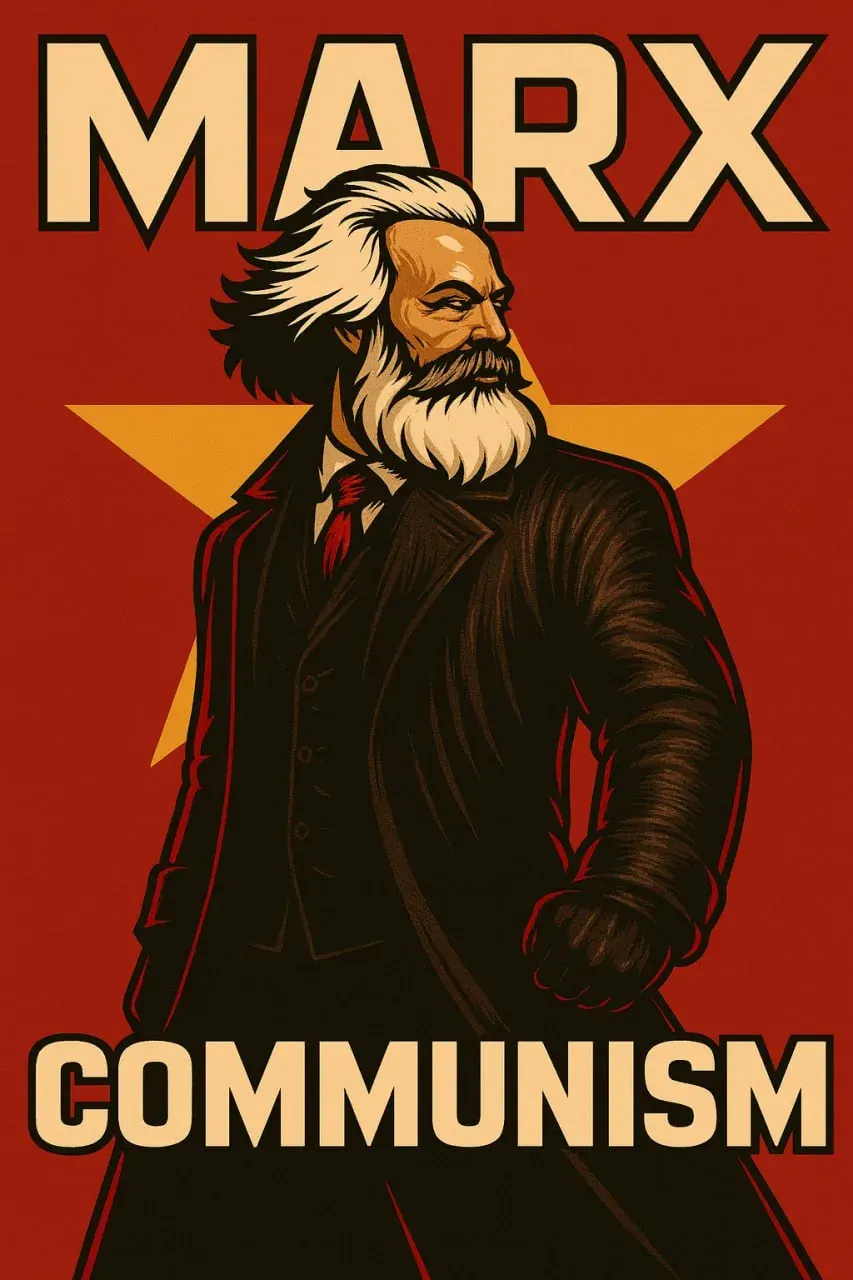
What this page covers
Book about Soviet propaganda
The Red New Deal is a first-hand account of how Soviet-style propaganda shaped everyday life in the USSR and how similar tactics appear in modern politics. It shows how promises of “free” benefits were paired with control, shortages, and constant messaging that claimed the system was superior.
Drawing on personal experience, the book explains how schools, media, and slogans worked together to create a controlled reality. It then compares those methods with today’s romanticized views of socialism and state power, warning how easily people can be persuaded when they do not see the real cost to freedom.
In brief
- This book explains how Soviet propaganda worked in daily life, from school lessons and news reports to posters and slogans that praised the system while hiding its failures.
- It connects those Soviet-era methods to modern political messaging that promises “free” benefits but downplays the trade-offs in personal freedom, choice, and opportunity.
- The Red New Deal helps readers recognize propaganda patterns so they can think more critically about socialist ideas, state control, and attempts to rewrite the history of real-world socialism.
What to do
The Red New Deal offers a clear, personal look at how propaganda under real-world socialism shaped what people were allowed to see, say, and believe. The author describes growing up in the USSR, where official messages praised equality and abundance while citizens faced empty shelves, long lines, and strict limits on speech and movement. This contrast between the bright promises and the gray reality is at the heart of the book.
Using concrete stories, the book shows how Soviet authorities used education, media, and culture to normalize control. Children learned approved history, TV repeated the same talking points, and criticism of socialism was treated as dangerous or immoral. Over time, many people accepted these narratives because they heard little else and feared the consequences of open disagreement.
The Red New Deal then turns to current trends in Western democracies, where socialism and “free” programs are often presented without much discussion of cost or trade-offs. By comparing past and present, the author argues that when everything is promised as free, citizens themselves can become the price, paying in lost privacy, limited choice, and growing dependence on the state. The book invites readers to question easy slogans and to look more closely at how propaganda can return in new forms.
What to keep in mind
The book is grounded in the author’s lived experience under Soviet socialism, not in theory alone. He recalls how official propaganda insisted that the USSR was the most just and advanced society, even as people struggled with shortages, censorship, and restricted travel. These memories give weight to his warnings about taking political promises at face value.
To make the patterns clear, The Red New Deal highlights specific tools of Soviet propaganda: selective history, constant praise of the state, and the shaming or silencing of dissent. It shows how these tools made it hard for ordinary people to compare official claims with reality, especially when alternative viewpoints were labeled hostile or forbidden.
By placing these examples next to modern debates about socialism, cancel culture, and the rewriting of history, the book shows that propaganda is not just a Soviet relic. It can reappear whenever complex problems are reduced to simple slogans and when uncomfortable facts are pushed aside. This perspective helps readers see how similar methods can influence public opinion today, even in free societies.