
Book about propaganda in the USSR
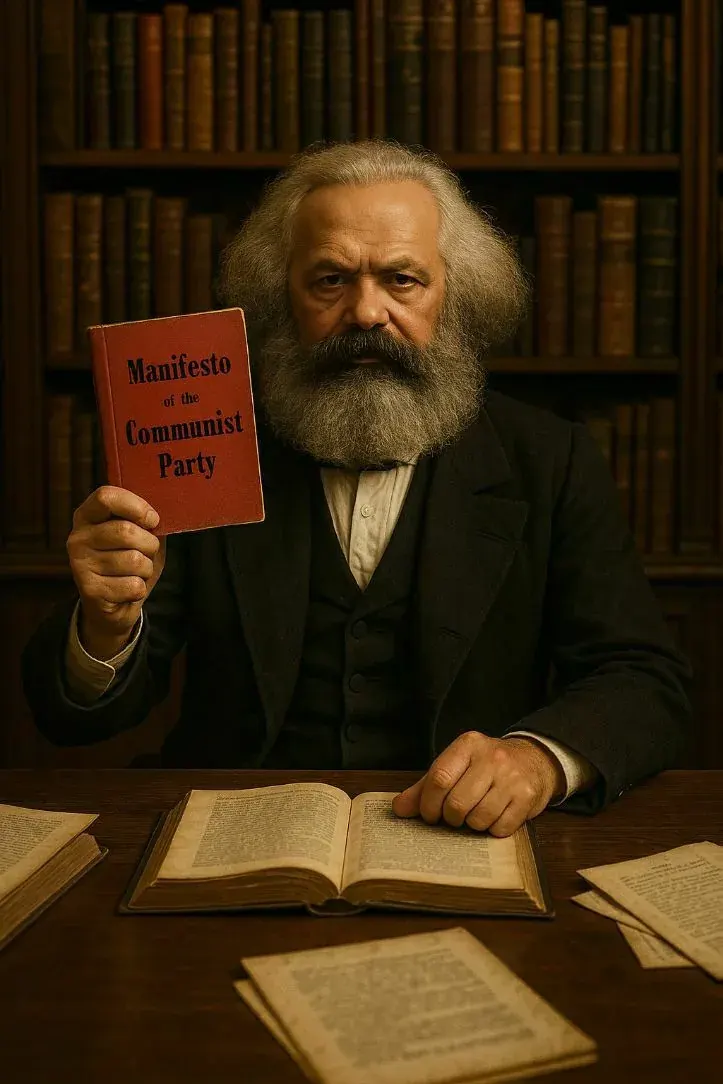
What this page covers
Book about propaganda in the USSR
This page presents a book that explains how propaganda worked inside the Soviet system, treating it not just as posters or slogans but as part of a larger political machine shaped by Lenin’s ideas and later Soviet practice.
Using examples from Soviet publications and from modern messaging that tries to romanticize or revive the USSR, the book invites readers to look closely at how nonstop political messaging can shape beliefs, rewrite history, and justify state control and aggression.
The book is written by Dmitri Dubograev, author of The Red New Deal, and draws on first-hand experience of life in the USSR to show how propaganda felt in everyday life, not only in theory.
In brief
- A detailed look at Soviet propaganda as a system, not just as isolated posters or speeches.
- The book shows how propaganda in and around the USSR was woven into schools, media, youth groups, and party structures, all built on Leninist ideas and later Soviet practice.
- By comparing Soviet-era messaging with today’s attempts to glorify or excuse the Soviet past, it explains how constant propaganda can make people accept restrictions, shortages, and even aggression as normal or necessary.
What to do
This book offers a clear, accessible study of how Soviet propaganda worked in practice and why it was so powerful. Starting from Lenin’s view of the party press as both a propagandist and an organizer, it shows how newspapers, books, education, and mass organizations were tied together into one system that shaped how people thought and behaved every day. Propaganda was not background noise. It was a central tool for proving the supposed “correctness” of the ruling ideology and for mobilizing society around it.
Drawing on later examples and on the author’s own memories of life in the USSR, the book connects this Soviet legacy to modern political messaging that glorifies socialism or paints the Soviet past as a time when “everything was free.” It examines how shameless propaganda can persuade large parts of the population to accept shortages, censorship, and even “senseless aggression,” and to believe invented stories about external enemies. By tracing parallels between Soviet narratives and current campaigns that label opponents as “Nazis” or existential threats, it shows how repetition, control of information, and punishment of dissent can normalize repression and war.
For readers interested in how power really works, the book highlights the role of schools, youth organizations, and state media in sustaining this system. It explains how education and propaganda interacted to create loyalty, suppress independent thought, and make alternative viewpoints risky. Instead of staying at the level of abstract theory, it ties ideological messages to concrete outcomes: daily routines shaped by fear and shortages, protests crushed, and entire societies taught to see fabricated dangers as unquestionable facts. It also helps readers recognize similar patterns in today’s debates about socialism, “free” benefits, and the real cost to personal freedom.
What to keep in mind
This book is best suited for readers who want more than a simple overview of Soviet history. It focuses on propaganda as a system of control and organization, showing how party publications, education, and political structures worked together to prove the “correctness” of Leninist ideas in practice. If you are looking for a light narrative or a purely personal memoir, this analytical and first-hand approach may feel intense.
The author pays particular attention to how propaganda can make obvious “political garbage” sound believable to large parts of a population. By examining Soviet-era messaging alongside modern campaigns that glorify the USSR, excuse repression, or justify aggression against neighboring countries, the book shows how constant propaganda and harsh punishment of dissent can silence opposition. Readers should be prepared for direct discussion of war, shortages, censorship, and the human cost of life under real-world socialism.
Because it links Soviet techniques to current trends in Russia, Belarus, and Western debates about socialism, the book is especially relevant for those studying contemporary politics, information warfare, or revisionism of Soviet history. It does not claim that all societies operate exactly like the USSR, but it demonstrates how similar methods—control of media, invented external threats, and emotional stories about “free” benefits—can be used to win support while hiding the price in lost freedom. This makes it useful for teaching, research, or for anyone who wants to read modern political messaging with a more critical eye.