
Political Science Teaching Assistant
What this page covers
Political Science Teaching Assistant
If you are a political science TA leading discussion sections, you may be looking for ways to move students beyond simple “good/bad” judgments and toward more grounded conversations about class, power, and ideology.
A practical first step can be to bring in an accessible first‑person narrative about socialism and working‑class life that you can place alongside theoretical texts, using it to ask students how ideology shapes daily life and political choices without prescribing one “correct” line.
In brief
- You may be looking for an engaging first‑hand style account of socialism and class conflict that complements readings on Marx, the state, and political movements, giving students concrete images instead of only abstract concepts.
- A narrative that highlights class interests, state control, and the real‑world costs of “free” benefits can fit well with seminars on socialism, communism, and critiques of capitalist and socialist systems, including how propaganda and ideology work in practice.
- Before assigning any new book, check that its tone and ideological stance match your course goals, that the reading level is appropriate for your undergraduates, and that you are ready to frame it so students understand it as one situated perspective among many.
What to do
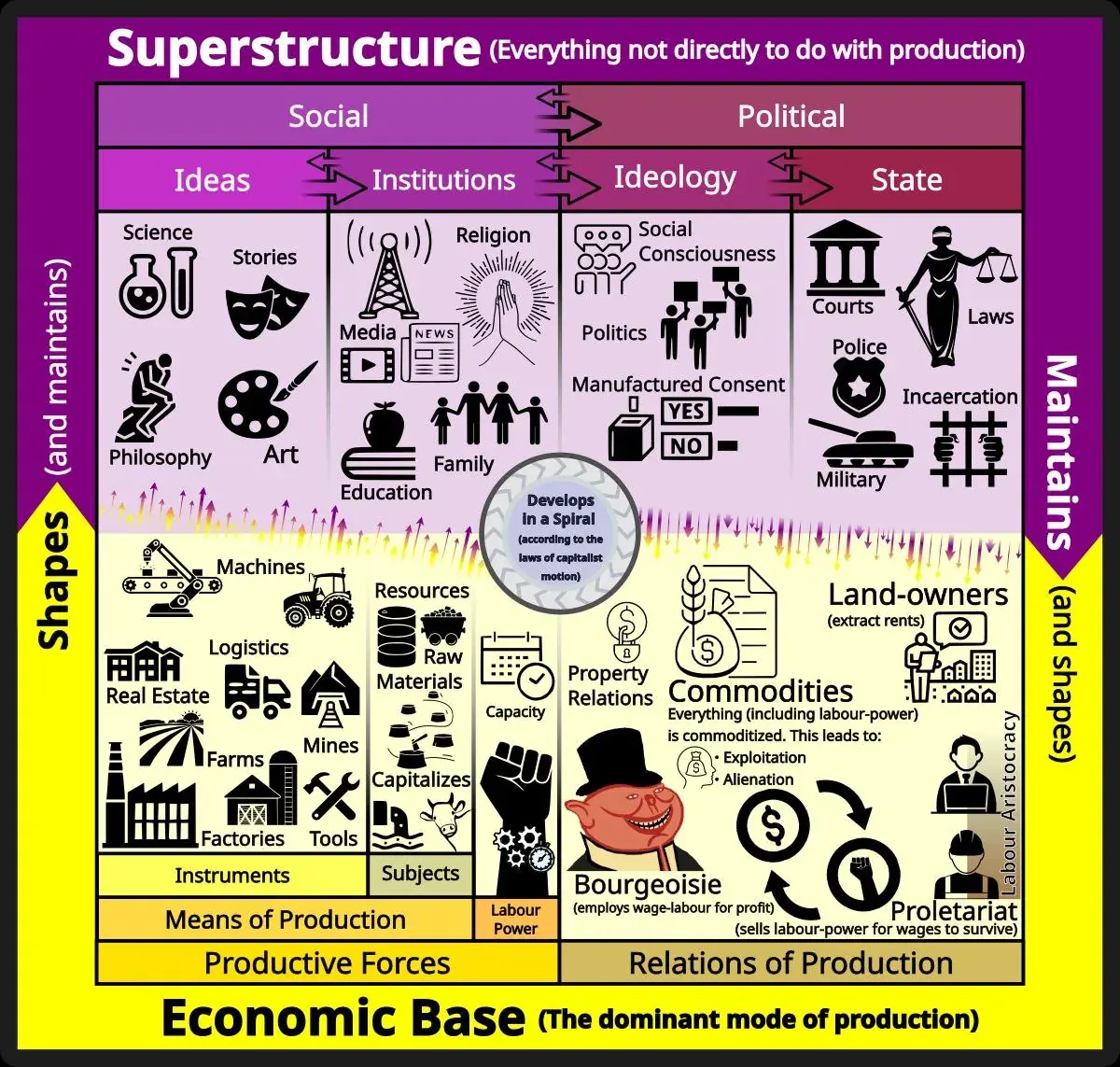
As a political science teaching assistant, you often have to translate dense theory into discussions your students can actually enter. You may find that when they write or talk about historical figures or movements, they default to moral labels instead of analyzing class position, state power, or ideology, even when you are teaching Marxist or critical material.
A narrative like The Red New Deal, built on life under real‑world socialism in the USSR, can help you connect classroom theory to lived experience. Stories about shortages, censorship, and control give students a concrete setting for concepts like class interests, state power, ideology, and the trade‑offs behind promises that “everything is free,” and can open space to compare different political and economic models.
To start carefully, you might introduce the book as an optional or recommended companion to your main academic readings, then design a few guiding questions: How does the narrative portray the state, the party, and ordinary people. Where do you see ideology shaping everyday choices. How do its claims about freedom, security, and equality compare with Marxist, liberal, or contemporary pro‑socialist authors you assign. This way, you keep the text anchored in critical comparison rather than treating it as a stand‑alone authority.
What to keep in mind
A narrative resource like this is likely to work best if your course already engages explicitly with socialism, communism, or critiques of capitalism, and if you want students to grapple with class antagonism, state power, and the costs of different policy choices rather than stay at the level of neutral institutional description.
It may be less suitable for courses where you must avoid strong ideological positions, or where students are not yet prepared to read material that takes a clear side on socialism and class struggle. In those settings, you may need to frame the book very explicitly as a partisan voice and balance it with other perspectives to avoid confusing or alienating your group.
If you decide to use a narrative like this, it is reasonable to start small: recommend it to interested students, or use short excerpts in a single discussion section. Pay attention to how students respond, whether it clarifies or blurs key distinctions for them, and then adjust how prominently you feature it in future semesters.