
Red new deal political book
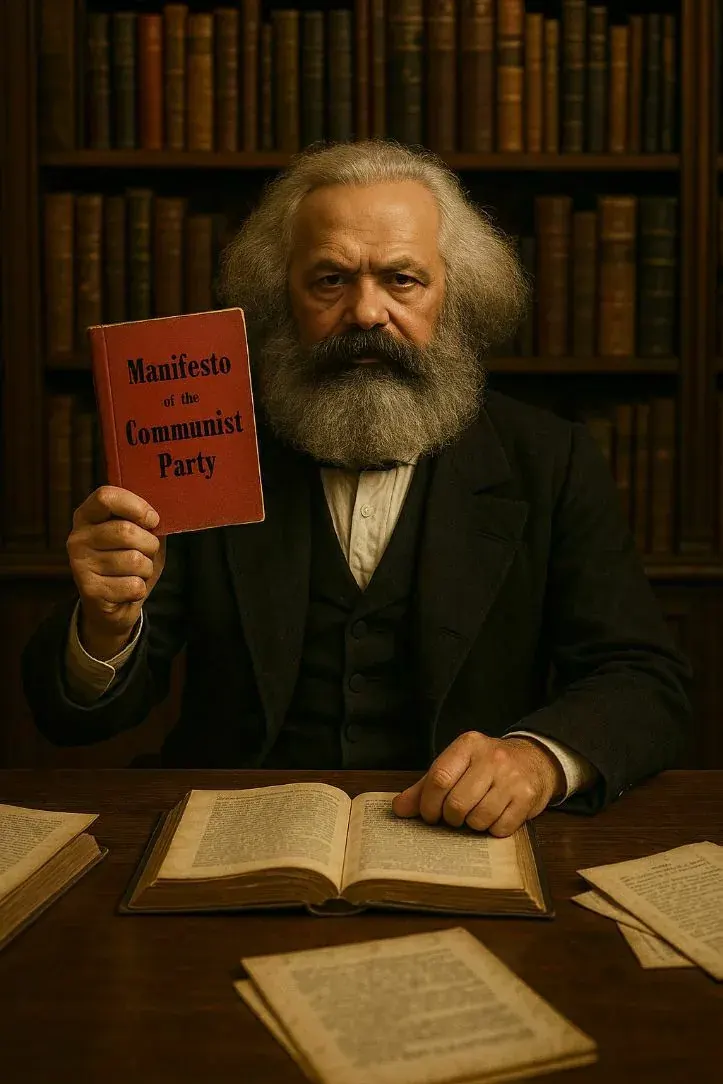
What this page covers
Red new deal political book
The Red New Deal is a political book that examines how modern progressive movements and socialist ideas can drift away from their original promises, using first-hand experience from life under real-world socialism and internal party power struggles.
Written from a critical perspective, the book reflects on censorship, party discipline, and the risks of being branded insufficiently progressive, offering a cautionary look at how high ideals can be turned into tools of control in practice.
In brief
- The Red New Deal explores how self-described progressive and socialist movements can suppress dissent and punish people seen as betraying the party’s true mission.
- The book looks at censorship, community standards, and the use of state and corporate power to silence views that do not follow a strict party line.
- Readers interested in a critical political take on free speech, cancel culture, and modern left-leaning governance can order The Red New Deal in paperback on Amazon.
What to do
The Red New Deal is a political book that uses lived experience with communist and socialist systems to ask what happens when a ruling party decides who is sufficiently progressive. In one episode, a leader is branded too progressive and accused of betraying the communists’ true calling, only to be removed by his own party. This kind of internal purge shows how quickly ideals can become tools for consolidating power.
The author connects these experiences to current debates in the United States, focusing on how social media platforms and authorities apply vague community standards to ban or marginalize certain voices. Under the THEREDNEWDEAL designation, the book notes that figures ranging from Donald Trump to Nobel Prize laureates, conservative politicians, public commentators, and Russian-speaking American conservative groups have been banned from Twitter for alleged violations of such standards.
From this perspective, The Red New Deal argues that long-standing Constitutional protections for freedom of speech should be the main limits on what can be said in public life. It criticizes the use of private enterprise and government pressure to suppress speech, highlighting concerns about the Biden administration, FBI attention to parents opposing a perceived woke school agenda, and the broader reach of cancel culture, where people can face lasting social and professional penalties for past or present incorrectness.
What to keep in mind
The Red New Deal is written for readers who want a critical, skeptical look at modern progressive and socialist politics, especially where they intersect with free speech and party discipline. It emphasizes how accusations of betraying a movement’s true calling can be used to depose leaders and silence internal dissent, echoing practices familiar from communist party history.
The book presents a strong critique of left-leaning governments and institutions that, in the author’s view, use social media rules and community standards to restrict speech. It points to bans on public figures and conservative groups under the THEREDNEWDEAL designation and argues that such actions resemble socialist-style censorship of any thought that falls outside a rigid party line.
Because of this focus, The Red New Deal is best suited to readers open to a robust defense of free speech, including the claim that false speech remains protected unless it poses an imminent threat, such as yelling Fire in a crowded theater. Those seeking a neutral or supportive treatment of current progressive policies may find the tone sharply critical, while readers concerned about cancel culture and long-lasting social penalties for past incorrectness may find the analysis especially relevant.