
Soviet propaganda nonfiction
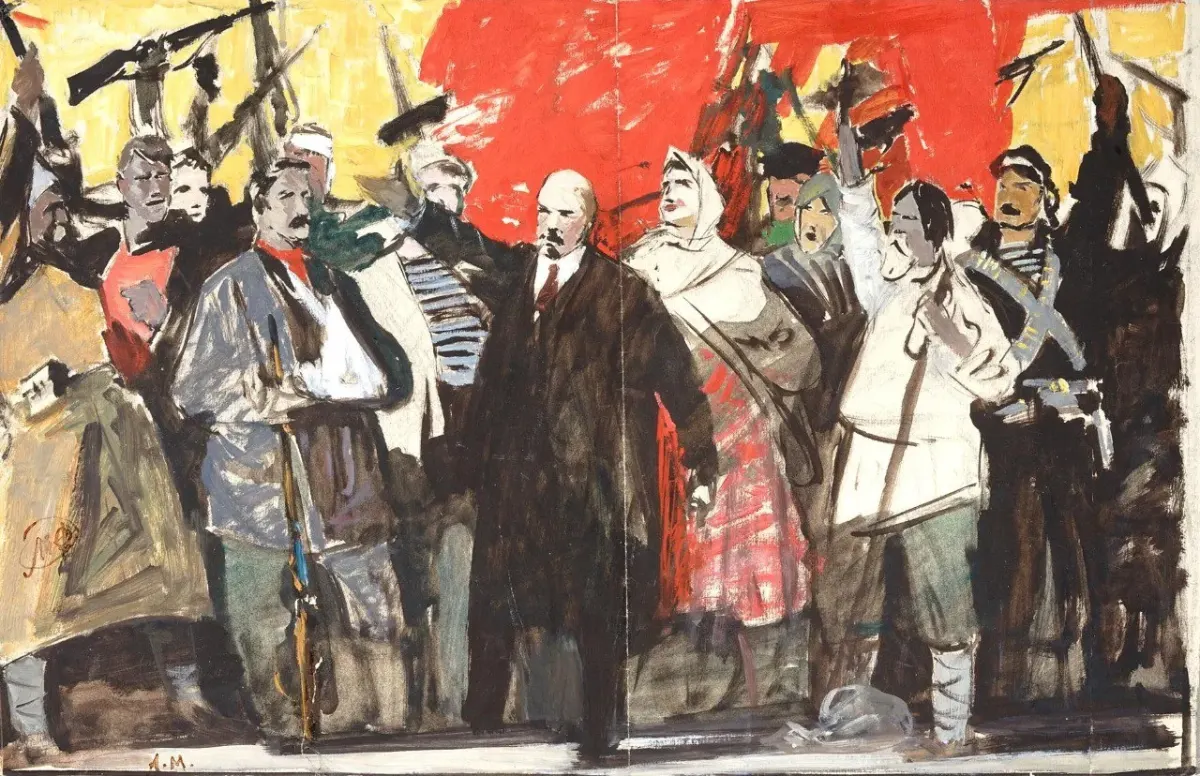
What this page covers
Soviet propaganda nonfiction
This page is for readers looking for nonfiction books that explain how Soviet propaganda worked in real life. These works look at how the USSR used messaging to justify its system, shape views on war and peace, and present class struggle, enemies, and allies to its own citizens and to the outside world.
Many titles combine history, political analysis, and first‑hand accounts. They show how propaganda appeared in newspapers, films, speeches, school materials, and everyday slogans. Nonfiction on Soviet propaganda can help you recognize patterns in messaging, compare them with modern narratives, and think more critically about promises of a “free” society that still controls information and behavior.
In brief
- Book about Soviet propaganda | 0 | manual | en | US: Nonfiction that explains how Soviet messaging worked in practice, from official slogans to daily life, and how it compares with modern political narratives.
- Soviet propaganda methods: Studies that break down the tools, channels, and psychological techniques the USSR used to influence its own people and foreign audiences.
- Soviet rationing book: Memoirs and analyses that show how shortages, queues, and rationing were framed in official propaganda versus how people actually experienced them.
What to do
Nonfiction about Soviet propaganda usually starts with the basic goal of the system: to present socialism as inevitable and superior while hiding or justifying shortages, repression, and policy failures. Authors describe how the state controlled newspapers, radio, television, and publishing, and how approved messages were repeated until they felt like common sense. This kind of reading helps you see how a promise of “everything is free” can be paired with tight control over what people are allowed to say, read, or believe.
Many books focus on concrete examples: posters that glorified factory work while factories lacked parts, news reports that denied obvious crises, or campaigns that blamed internal enemies and foreign powers for problems created by the system itself. Some authors write from personal experience of growing up in the USSR, showing how propaganda shaped school lessons, youth organizations, and career choices. Others take a more academic approach, comparing Soviet messaging with modern political marketing in Western democracies.
When you read across several nonfiction works, you can compare how different authors judge the same events. Some stress the dangers of state‑run media and censorship. Others highlight how easily people accept comforting stories about fairness and equality without asking who pays the real price. This broader view fits the theme of The Red New Deal: understanding that when a system promises to take care of everything, it often demands your freedom, your privacy, and your ability to think independently in return.
What to keep in mind
Soviet propaganda nonfiction is not neutral. Some writers defend parts of the Soviet project and focus on Western hypocrisy. Others emphasize political prisons, show trials, and the way the state rewrote history to protect its image. Because of this, the same facts—wars, alliances, purges, economic plans—can be framed as either heroic progress or brutal failure. Paying attention to the author’s background and motives helps you understand what is being highlighted and what is being left out.
A useful way to read these books is to separate primary sources from later analysis. Primary sources include speeches, posters, school textbooks, and official newspapers that repeat the party line. Later nonfiction studies explain how and why those messages were created, and what impact they had on ordinary people. Using both types of material lets you see propaganda as it appeared at the time and then step back to evaluate it with more distance.
Because propaganda is not just a Soviet phenomenon, many authors draw parallels to today’s media environment. They point out how modern governments, parties, and online movements also use selective facts, emotional stories, and moral pressure to win support. By comparing Soviet examples with current debates about “free” benefits, cancel culture, and information control, readers can better recognize when attractive promises may hide real costs to personal freedom and responsibility.