
Propaganda under communism book
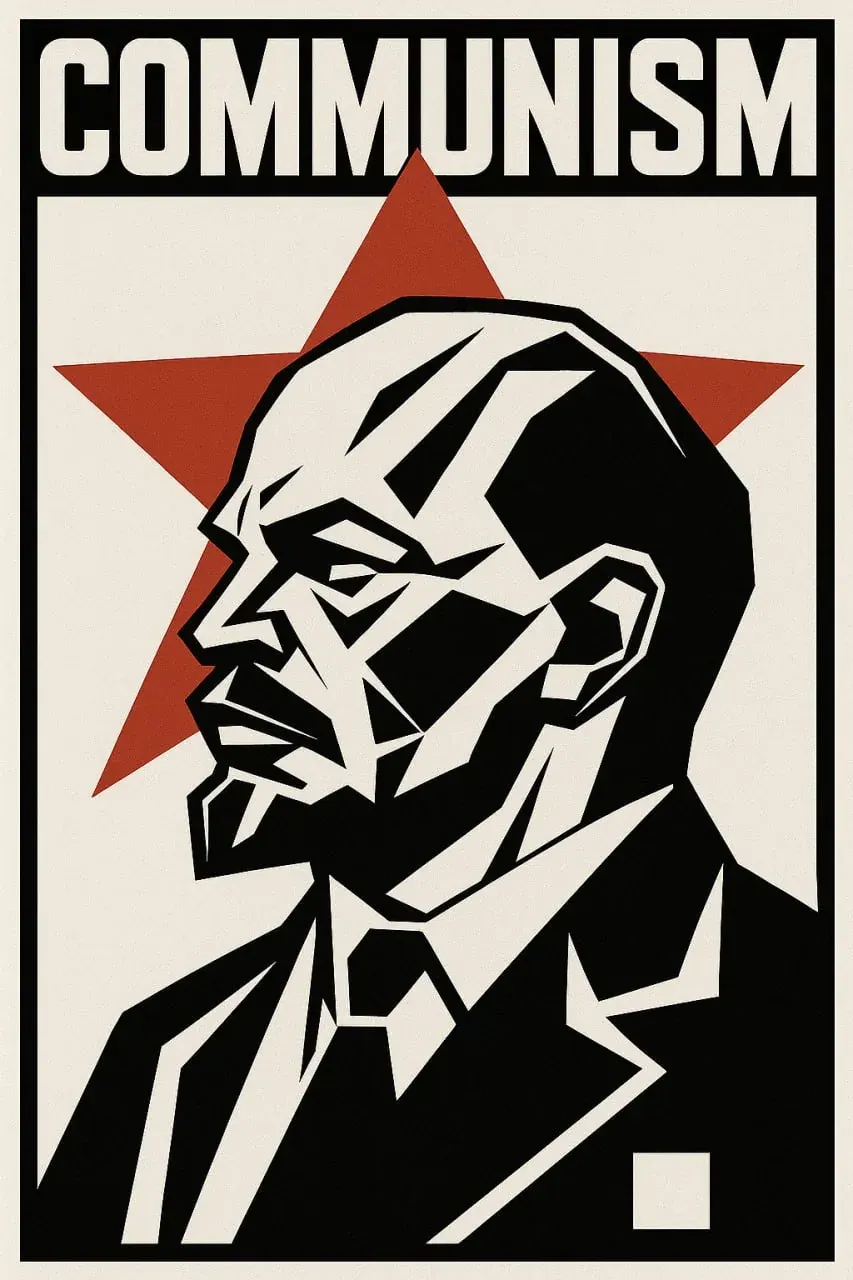
What this page covers
Propaganda under communism book
This page is for readers looking for a book that explains how propaganda actually worked under communism, especially in the Soviet Union. It connects that search with real everyday experience of life in the USSR and how official messages tried to hide shortages, control, and restrictions.
A good propaganda under communism book can show how the state used slogans, posters, schools, and media to sell the promise of a bright future while people stood in lines and watched their freedoms shrink. It helps you see how the system talked about equality and “free” benefits, and what that really meant for ordinary families.
In brief
- A book on propaganda under communism will usually explain how the Soviet state controlled newspapers, TV, radio, and education to shape what people were allowed to think and say.
- Many titles also show the gap between official promises of a free, fair society and the reality of censorship, fear, and constant shortages that people in the USSR actually lived through.
- If you want a first‑hand perspective, The Red New Deal links modern pro‑socialist messaging in the West with the propaganda and daily life the author saw growing up under real Soviet socialism.
What to do
When you look for a propaganda under communism book, you are often trying to understand how a system that promised justice and equality turned into one built on control. The strongest books combine history, documents, and personal stories to show how communist governments used language, symbols, and “free” benefits to win support and silence doubt.
The Red New Deal fits into this space by comparing today’s soft, modern socialist messaging with the hard reality of Soviet propaganda. Dmitri Dubograev describes how posters, speeches, and school lessons praised the Party and the planned economy while people quietly traded in lines, hid their real opinions, and learned what could and could not be said. He shows how the word free was used again and again, while the real price was paid in lost choices and lost truth.
Reading a book like this can help you recognize patterns in current debates. You see how history can be rewritten, how cancel culture and social pressure can replace open discussion, and how attractive slogans can cover up the real costs. For readers who want more than theory, a first‑hand account of propaganda under communism makes these risks concrete and personal.
What to keep in mind
The themes on this page are grounded in the lived experience described in The Red New Deal and in well‑documented features of Soviet life: state control of media, one‑party rule, and the constant use of propaganda to manage public opinion. People who grew up in the USSR remember both the official story and the private reality behind it.
Because this page is not tied to one academic title, it does not list a specific author or table of contents for a single propaganda under communism book. Instead, it highlights the kind of topics you can expect to find: how the Party shaped information, how shortages and failures were explained away, and how citizens learned to read between the lines.
This type of reading is most useful if you are ready to look at both history and personal testimony. If you are only interested in abstract theory, you may miss how propaganda felt in daily routines. If you are open to first‑hand stories that connect Soviet experience with today’s trends, a book like The Red New Deal can give you a clearer picture of what communist propaganda meant in real life.