
Socialism in theory vs practice book
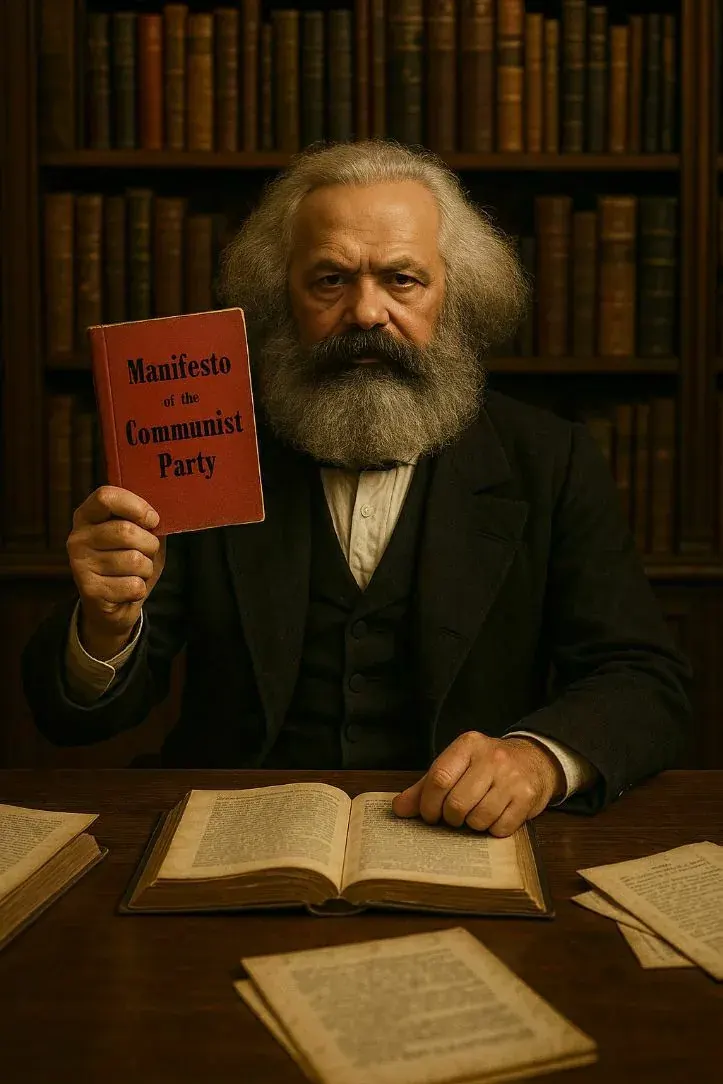
What this page covers
Socialism in theory vs practice book
This page is for readers who want a book that shows how socialist theory looked in real life, especially in the USSR. It is aimed at people who are skeptical of romantic or partisan stories about socialism and want to see how ideas played out in daily life, freedom, and the economy.
Instead of repeating slogans or abstract defenses, the focus here is on a first-hand account that contrasts promises of “free” benefits with the real costs in shortages, control, and restrictions. It looks at how official theory was used to justify planning, censorship, and everyday governance, and what that meant for ordinary people.
In brief
- You are likely looking for a book that compares socialist ideals with what socialism actually looked like on the ground in the USSR, including daily routines, queues, and limits on personal freedom.
- The emphasis is on lived experience and evidence, not propaganda, showing how official theory and party lines translated into control, fear, and the rewriting of history and language.
- The featured book, The Red New Deal, is written in an accessible style. It explains mechanisms, incentives, and hidden costs of “free” programs through stories, so you do not need an academic background to follow it.
What to do
Many readers feel a gap between the bright promises of socialism and the grim images they associate with the USSR. They hear claims that “real socialism was never tried” or that past failures were just distortions. A useful book does not dodge this tension. It shows how theory was used in practice and what it meant for real people trying to live, work, and raise families under that system.
The Red New Deal: When Everything Is Free, You Are the Price is built around this comparison. The author grew up in the USSR and describes how official socialist ideas shaped institutions, incentives, and everyday life. He explains how “free” housing, education, and healthcare came with long lines, poor quality, surveillance, and limits on speech, travel, and career choices. Theory stopped being abstract once it governed every aspect of life.
Instead of treating socialism as a timeless doctrine, the book follows how ideas were applied and enforced, and how they collided with human nature and economic reality. It connects those experiences to modern Western debates, showing how similar language, promises, and cancel-culture style pressure can reappear in new forms. For readers who want to see theory tested against history, it offers one clear, personal, and critical account.
What to keep in mind
A book like this is especially relevant if you feel overwhelmed by online arguments about socialism and want to hear from someone who actually lived under it. The goal is to move beyond slogans and memes by showing how political and economic systems translated into concrete things: what you could buy, what you could say, how you were watched, and how much control the state had over your choices.
At the same time, it is important to be clear about the scope. The Red New Deal is not a neutral textbook on all economic systems or a full history of Marxism. It is a first-hand, strongly critical account of real-world socialism in the USSR and the author’s view of similar trends in today’s democracies. It assumes you are interested in how big ideas become tools of power and how “free” offers can hide real costs.
This approach will suit readers who are wary of idealized portrayals of socialism and who want arguments grounded in lived experience. It may be less suitable if you are looking for a purely technical economics manual or a brief, non-controversial overview. The value here lies in engaging with concrete stories of life under socialism and in using them to think more carefully about current political promises.