
Nonfiction about communism and freedom
What this page covers
Nonfiction about communism and freedom
Explore nonfiction that examines how communism affects personal freedom, drawing on real experiences from countries that tried to build a socialist or communist system.
These books often echo debates raised in works like “The Red New Deal,” asking who pays the real price when everything is promised as free and how power, work, and speech are controlled in different systems.
In brief
- Nonfiction on communism and freedom looks at how communist and socialist systems work in real life, including shortages, state control, and limits on everyday choices and movement.
- Many books contrast promises of equality and security with the reality of censorship, repression, propaganda, and the lack of free speech or independent media under regimes that called themselves communist.
- These titles invite readers to compare ideals with lived experience, and to form their own view of how communism, socialism, capitalism, and freedom intersect in daily life and in today’s political trends.
What to do
Nonfiction about communism and freedom often starts with a basic question: what does freedom actually look like in everyday life. Some authors describe growing up or working in the USSR or other socialist states, where the government claimed to guarantee equality and free services, but in practice controlled jobs, housing, travel, and information. In this view, the real cost of “free” is paid in lost choices and dependence on the state.
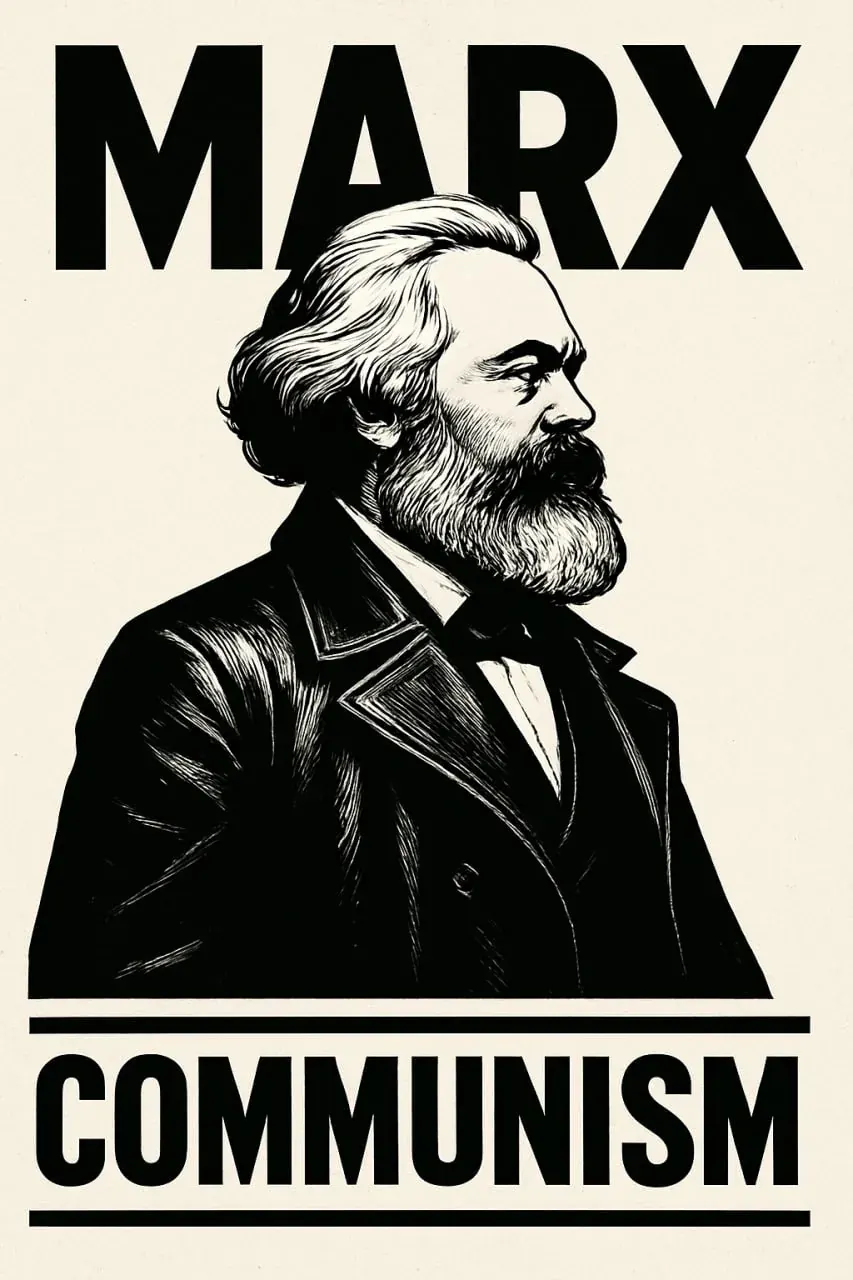
Other writers focus on how people encounter communist ideas through books and modern political movements. A reader might study Marx or modern socialist thinkers, agree with parts of the critique of capitalism, yet hesitate when they see how similar ideas played out in the Soviet Union. That tension becomes part of the story, as nonfiction traces how people weigh promises of economic security against the risk of losing basic civil liberties.
These books also show that the word “communism” covers very different realities. Some accounts describe countries where telling the truth about history can lead to punishment, where there is no real freedom of speech, and foreign media are blocked or filtered. By setting these experiences alongside arguments for social justice, nonfiction on communism and freedom helps readers see both the appeal of utopian promises and the dangers of concentrated power.
What to keep in mind
Nonfiction that links communism and freedom is most useful for readers who want to look past slogans and see how systems work on the ground. It can include memoirs from people who lived under Soviet rule, investigative reporting on modern authoritarian regimes, and analytical works that compare those histories with current pro‑socialist trends in Western democracies.
Some writing highlights the hope that socialism or communism could protect people from poverty and exploitation. Other accounts, including first‑hand stories like those behind “The Red New Deal,” stress how quickly those hopes can turn into shortages, fear, and strict control over speech, travel, and work when the state claims the right to manage everything for the common good.
Because experiences and definitions of communism vary widely, no single book can cover every case. Many readers therefore turn to a range of works, including those produced by organizations that document victims of communist regimes and warn about the return of similar ideas in new forms. Taken together, such nonfiction offers a broad, sometimes uncomfortable picture that encourages careful, critical reading before embracing promises of something for nothing.