
Communism vs freedom book
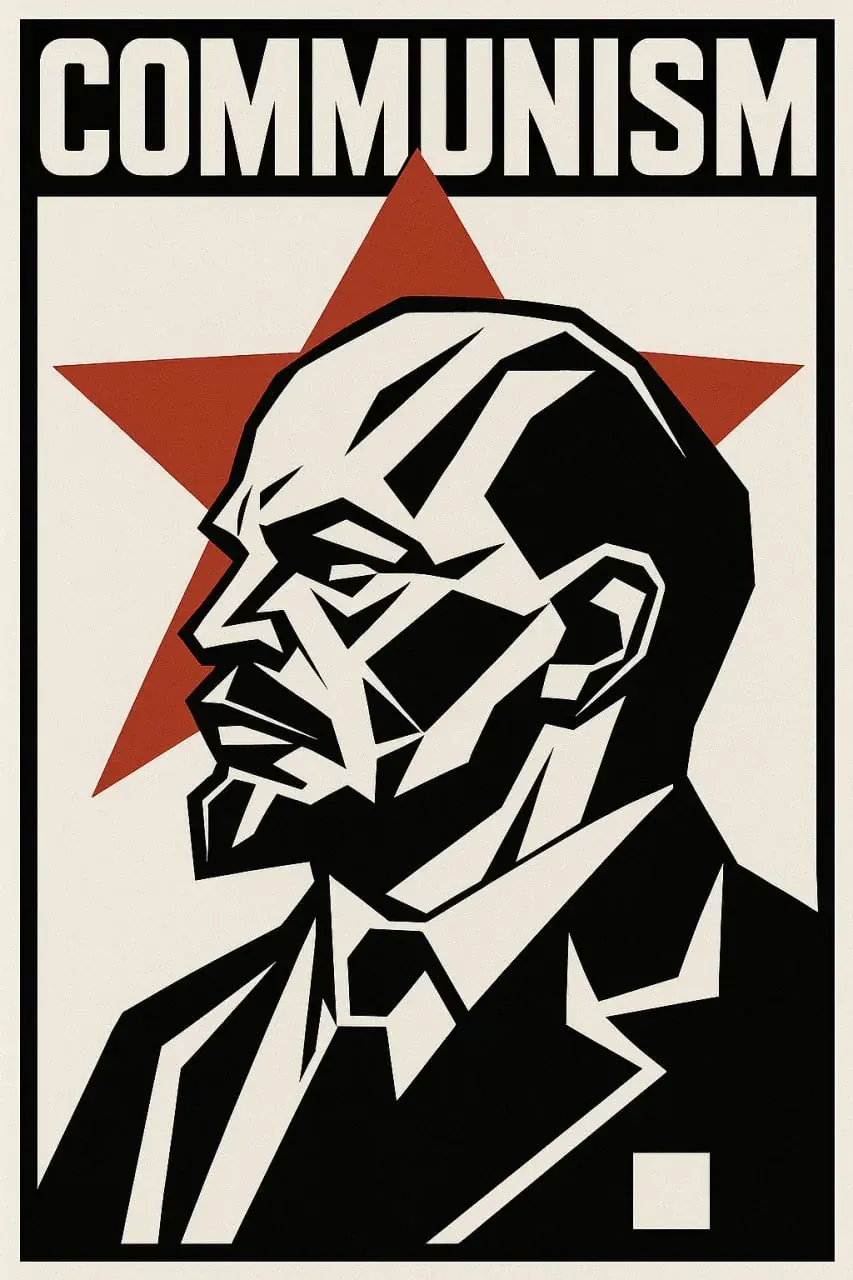
What this page covers
Communism vs freedom book
This page is about a book that looks at how communist systems affect everyday freedom, based on first-hand experience of life in the USSR and today’s pro-socialist trends in the West. It connects big ideas about communism with real stories of shortages, control, and limits on what people can say or do.
Instead of treating freedom as a vague slogan, the book compares how freedom is described in theory with how it actually works under real socialism and in modern democracies. It asks what kind of freedom people really have when the state promises that everything is free, and what personal price they pay in return.
In brief
- The book argues that when a system promises free goods and services, it often takes payment in the form of lost privacy, choice, and speech, as seen in the author’s experience of the USSR.
- It raises questions about countries where people can be punished for telling the truth about history, where speech is tightly controlled, and where access to outside information is blocked or restricted.
- By comparing communist promises with Western trends like cancel culture and growing state control, the book invites readers to think hard about what real freedom means in daily life, not just in political slogans.
What to do
A central theme in this book is that nothing is truly free. When the state claims to provide everything, it often expects obedience in return. Drawing on life in the USSR, the author shows how promises of equality and security came with censorship, propaganda, and constant pressure to conform. Freedom, in this sense, is not an abstract ideal but a concrete question of who controls your choices, your work, and your access to information.
The book also looks at places where telling the truth about the past, sharing independent views, or using foreign media can lead to punishment. It describes how bans, surveillance, and fear shape what people say in public and even in private. These examples challenge the idea that systems calling themselves socialist or progressive automatically protect freedom, and ask readers whether this is the kind of future they want to support.
Throughout, the author connects Soviet-era experience with current trends in the US and other democracies, such as growing dependence on government programs, pressure to follow approved narratives, and social penalties for dissent. By comparing these patterns, the book helps readers see how quickly freedom can shrink when people focus only on what they are promised for free and ignore the hidden costs to their autonomy and dignity.
What to keep in mind
This book is for readers who want a grounded, personal look at how communism and state-driven socialism affect real freedom, not just how they are described in theory. It assumes an interest in both history and current events, and in how political ideas play out in ordinary routines like shopping, working, and raising a family.
The author shares memories of life in the USSR, where shortages, lines, and strict control over speech and information were part of daily reality. These stories are not presented as a full history of every socialist country, but as a detailed case study that helps explain why some people who lived through real socialism are wary of new promises of free everything today.
The book does not offer simple formulas or party slogans. Instead, it encourages readers to weigh trade-offs, question official narratives, and think critically about policies that expand state power in the name of fairness or safety. It invites you to compare the lived reality of controlled societies with the freedoms you may take for granted now, and to decide what kind of balance between security and liberty you are willing to accept.