
Book Club Discussion Questions for The Red New Deal
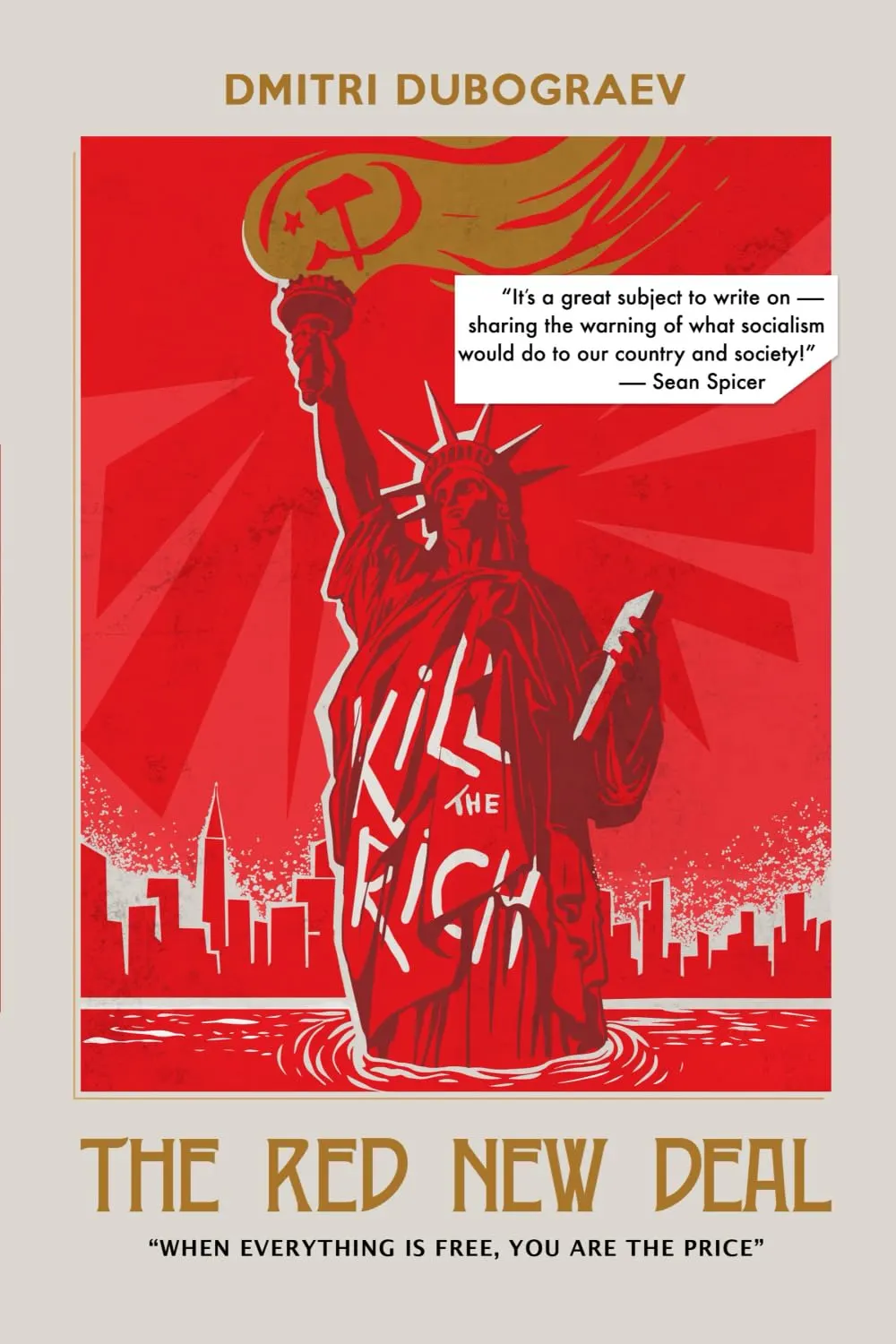
What this page covers
Book Club Discussion Questions for The Red New Deal
Use this page to guide a thoughtful book club discussion of The Red New Deal, including its focus on real-world socialism, public pressure, censorship, and personal freedom.
These prompts help readers move beyond summary and talk respectfully about the book’s arguments, first-hand USSR experience, and warnings about the cost of “free.
In brief
- Discuss how the book connects promises of free benefits with shortages, control, and limits on everyday choice under socialism.
- Compare the book’s concern about suppressed voices with its view that individual rights should not depend on political permission.
- Use the questions to keep the group focused on speech, public trust, personal freedom, and how disagreement should be handled.
What to do
A useful book club discussion can begin with the book’s treatment of speech. Ask where The Red New Deal draws the line between debate, propaganda, censorship, and public safety. The group can also discuss whether the book presents questioning authority as a danger or as part of a healthy society.
Another strong path is the book’s contrast between personal rights and political control. Readers can discuss how the author’s first-hand memories of Soviet life shape the book’s warnings about modern socialist language, promises of fairness, and the hidden cost of government-managed life.
For a more concrete conversation, focus on passages about shortages, rewritten history, public pressure, and restricted choices. Ask how the book connects these details to distrust and loss of freedom, and whether readers find that connection persuasive within the book’s argument.
What to keep in mind
This page is best for groups that have read enough of The Red New Deal to discuss its arguments directly. The strongest questions come from themes in the book: socialism, shortages, censorship, public claims, personal rights, and the real price of free promises.
It is not meant to replace reading the book or serve as a neutral civic curriculum. The questions are shaped around the book’s own framing, including its criticism of speech restrictions and its concern that appealing promises can hide limits on freedom.
For a productive discussion, invite readers to separate what the book asserts from how convincingly it supports those assertions. That keeps the conversation grounded in the text while still leaving room for honest disagreement about the book’s conclusions.