
1984 and Soviet Propaganda: Fiction and Lived Experience
What this page covers
and Soviet Propaganda: Fiction and Lived Experience
This page draws a careful line between the fictional world of Nineteen Eighty-Four and the documented history of Soviet-style propaganda. It uses a few concrete, sourced examples to show how official messages and images were crafted to shape what people saw, heard, and were allowed to say.
Instead of sweeping claims, the focus is on specific slogans, visual styles, and narratives about war and dissent. With this context in mind, you can read Orwell’s novel with a sharper sense of how state messaging and control actually worked in the USSR and in later post-Soviet regimes.
The Red New Deal uses these parallels to highlight how real-world socialism relied on control, scarcity, and fear, and why modern romantic views of socialism often ignore these costs.
In brief
- Soviet authorities used propaganda to promote official policies, manage information about war, and intimidate dissenters, creating an atmosphere of fear and control that echoes the world of Nineteen Eighty-Four.
- Modern messaging by leaders who draw on the Soviet legacy, including current rulers in Russia and Belarus, still leans on strong symbols, slogans, and tightly controlled narratives to frame conflicts and justify repression.
- Because the surviving evidence is partial and often partisan, this page sticks to a few specific, documented examples and invites readers to compare them with Orwell’s fiction, rather than claiming a perfect one-to-one match.
What to do
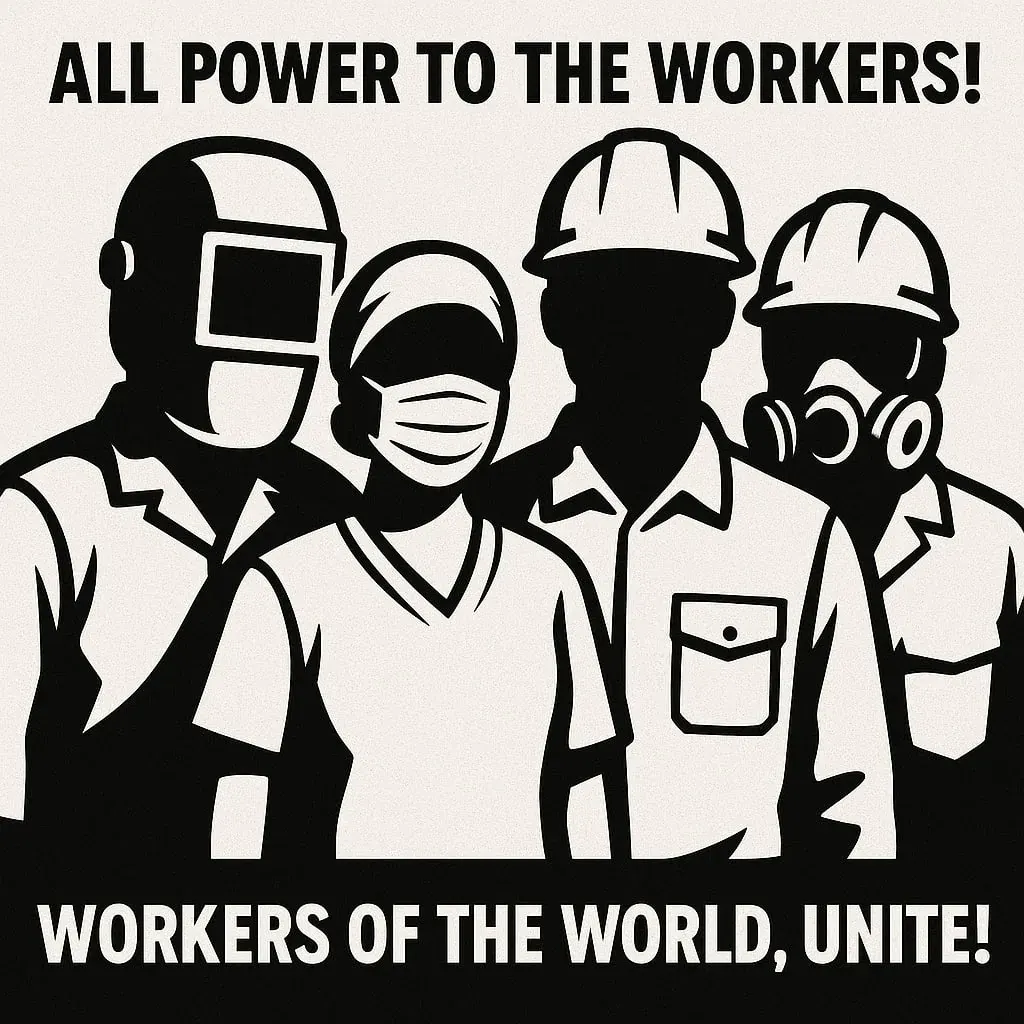
One way to connect Nineteen Eighty-Four to Soviet propaganda is to look closely at how messages were packaged. Surviving materials show bold slogans like “socialism for export” paired with striking visual elements: badge-style silhouettes, bright tricolor backgrounds, masked figures, and posed conversations. This kind of design turns an abstract political line into something emotional and easy to repeat, much like the Party slogans in Orwell’s novel that are meant to be seen, memorized, and echoed in daily life.
Another clear link between fiction and lived experience is the treatment of dissent. The Red New Deal describes propaganda produced by Soviet authorities and, later, by leaders such as Putin and Lukashenko, especially around the war in Ukraine and the crackdown on peaceful protests in Belarus after disputed elections. Any public opposition to the war or to the regime is portrayed as dangerous and is reported as being harshly punished. While Orwell’s world is invented, its climate of fear around “wrong” thoughts and speech strongly resonates with these real accounts of punishment for opposition under real socialism and its heirs.
Contemporary socialist and communist movements often respond by pointing to decades of anticommunist messaging and what they see as a rewriting of history about the Soviet victory over fascism in World War II. They argue that new legal tools, such as hate-crime and anti-terror laws, can be turned into a kind of “thought crime” framework against activists. Whether or not you agree with this reading, it shows how the language of crime, loyalty, and security can be used to police ideas. The Red New Deal uses these debates to underline a core theme: when the state claims to protect you from dangerous ideas, it often demands a high price in personal freedom, just as in Orwell’s Oceania.
What to keep in mind
The historical record on Soviet propaganda is large but uneven, so the evidence highlighted here is intentionally narrow and documented. It includes a few visual and textual examples, such as a Telegram image with Soviet-style design and a passage from The Red New Deal describing how authorities in the Soviet Union and later in Russia and Belarus used propaganda around war and elections. These sources show specific practices but cannot capture the full range of Soviet or post-Soviet experience.
Other material referenced here comes from contemporary communist commentary. One text claims that, after decades of anticommunist propaganda and historical revision, some Western states are moving toward banning communist organizations, using hate-crime and anti-terror laws, purging antiwar activists from institutions, and criminalizing civil disobedience. Another recalls early Soviet economic debates, quoting Lenin and Stalin on the struggle between state trade, cooperatives, and private capital. These perspectives are openly partisan, but they still demonstrate how political actors on all sides frame conflicts and choices through carefully crafted narratives.
Because the available evidence is limited, selective, and often polemical, this page does not claim to offer a complete or neutral history of Soviet propaganda, nor a definitive mapping of Nineteen Eighty-Four onto any one country. Instead, it offers a starting point: a few concrete examples of slogans, imagery, and narratives about war, dissent, and economic policy that you can place alongside Orwell’s fiction. The Red New Deal builds on this approach, combining first-hand memories of life in the USSR with modern examples to show how quickly “free” promises can turn into control. For a fuller picture, it is important to consult broader historical research and first-hand accounts beyond what is summarized here.