
Socialism in Western democracies book
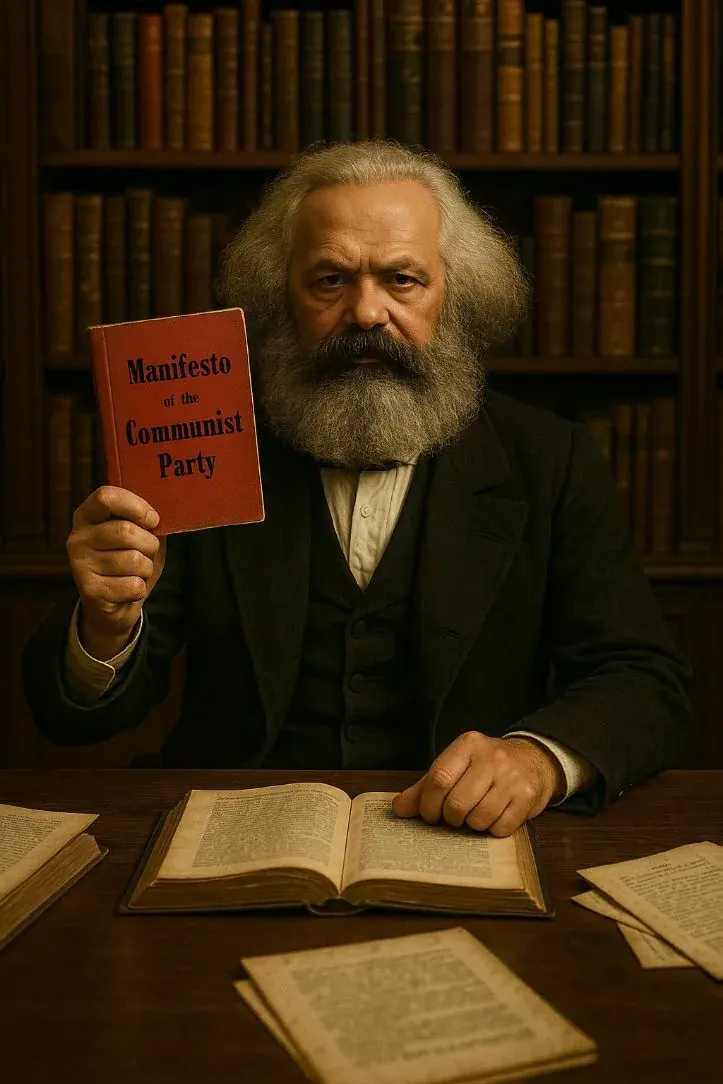
What this page covers
Socialism in Western democracies book
Discover a book that contrasts real-life socialism in the USSR with modern pro-socialist trends in Western democracies, including the United States. It shows how promises of free benefits can come with hidden costs for ordinary people and their freedoms.
Drawing on first-hand experience of life under socialism, the author describes shortages, control, and restrictions, then connects these realities to current debates in Western democratic societies. The book encourages readers to think carefully about what is gained and what may be lost when socialist ideas spread quickly without a clear view of their full price.
In brief
- This book shares a first-hand account of daily life in the USSR and uses those experiences to examine how socialism is discussed and promoted in Western democracies today.
- It stresses that nothing is truly free, highlighting the trade-offs and hidden costs to personal freedom that can come with broad state promises and control.
- The book is written for readers who want a grounded, experience-based perspective on socialism, revisionism, and modern political trends in the US and other democratic societies.
What to do
At the center of this book is the author’s lived experience under real-world socialism in the USSR. He describes everyday routines shaped by shortages, state control, and limits on personal choice, giving readers a concrete sense of how official promises translated into life on the ground. These stories are not abstract theory; they come from what it meant to grow up, work, and navigate a tightly controlled system.
From there, the book draws parallels between those experiences and modern pro-socialist trends in Western democracies. It looks at how revisionist views of socialism gain traction, how history can be rewritten, and how concepts like cancel culture and ideological conformity can affect open debate. The core theme is that when everything is presented as free, individuals themselves can become the price through reduced autonomy and freedom.
Instead of serving as a partisan manual, the book invites readers to think critically about current US and global debates around socialism. It is aimed at people who want to compare ideals with real-life outcomes, understand the potential trade-offs behind expansive state promises, and see how quickly certain ideas can spread when their costs are not fully understood.
What to keep in mind
This book is grounded in one person’s first-hand account of life in the USSR and his reflections on modern Western democracies. It does not claim to represent every socialist country or every democratic society, but focuses on the contrast between a specific historical system and current political and cultural trends.
It is especially relevant for readers interested in socialism in Western democracies, the socialism debate in America, and the broader question of how far-reaching government control can affect daily life and personal freedom. Those looking for a purely academic or statistical treatment should know that this book leans more on narrative, observation, and critical reflection than on technical analysis.
The book is available in multiple formats, including eBook and paperback, with an audiobook mentioned as a future possibility but not confirmed. Readers who want to explore related topics can visit other pages on democratic socialism criticism and modern socialism debates, then return here to purchase the book once they are ready to dive deeper into this first-hand perspective.