
Socialism critique book Amazon
What this page covers
Socialism critique book Amazon
This page points you to a socialism critique book on Amazon that uses real‑life experience rather than theory. It looks at how big promises of equality and security played out in daily routines, decisions, and trade‑offs for ordinary people.
The focus is on a first‑person journey that examines how systems shape behavior, how much real choice people have, and how subtle pressures can narrow freedom. It invites you to think carefully about what is gained and lost when large institutions promise to take care of everything for you.
In brief
- The book highlighted here is a personal, experience‑based critique of large systems, showing how everyday life can be shaped by rules, scarcity, and pressure to conform rather than by slogans or ideals.
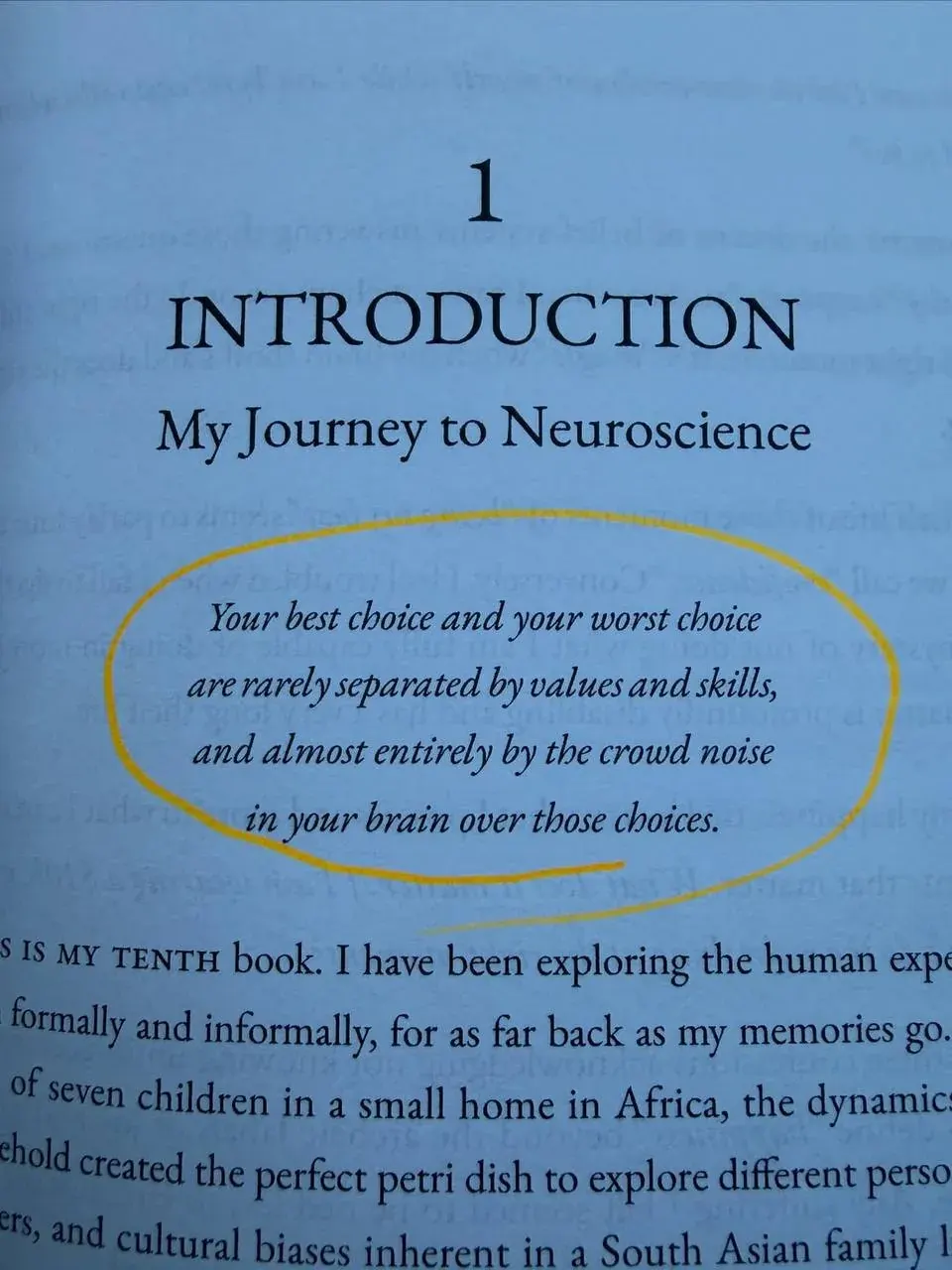
- It emphasizes that the gap between a good and a bad choice is often less about your values or skills and more about the “noise” and pressure around you, especially when powerful institutions claim to know what is best.
- By following one person’s journey, you can approach debates about socialism and other big ideologies with more skepticism, paying attention to how they affect concrete choices, risks, and freedoms in real life.
What to do
The featured Amazon book uses a narrative approach to explore how people actually live inside ambitious political and social projects. Instead of focusing on abstract theories, it pays attention to daily routines, the small decisions people face, and the way official rules interact with human behavior and incentives.
A key idea in the material behind this page is that your best and worst choices are often separated not by your character, but by the mental “noise” and outside pressure surrounding you. When a system promises to remove risk and provide for everyone, it can also crowd out personal responsibility and independent judgment, making it harder to see when something is going wrong.
Reading a detailed, first‑person account helps you test big claims about fairness, security, and “free” benefits against lived reality. The book encourages you to notice how control, dependency, and informal workarounds emerge in tightly managed systems, and to carry that awareness into how you read news, evaluate policies, and talk about socialism and related ideas today.
What to keep in mind
The intent profiles connected to this topic describe readers who are frustrated with purely theoretical debates about socialism. They want concrete stories about how shortages, rules, and informal exchanges shape daily behavior, rather than broad claims that everything was either ideal or uniquely terrible.
Another profile highlights adults from the former USSR now living in the US, who feel that many English‑language discussions overlook or minimize their lived experience. They are searching for a book in English that resonates with their memories and can be shared with friends, colleagues, and younger generations to explain what life under such systems felt like from the inside.
The book surfaced here is not presented as a comprehensive academic history. It is positioned as a diary‑style, experience‑driven narrative that captures emotions, confusion, and the sense that “something was off.” That makes it better suited for readers who want an accessible, story‑based critique they can relate to and use as a starting point for deeper exploration.