
Lines in the Soviet Union book
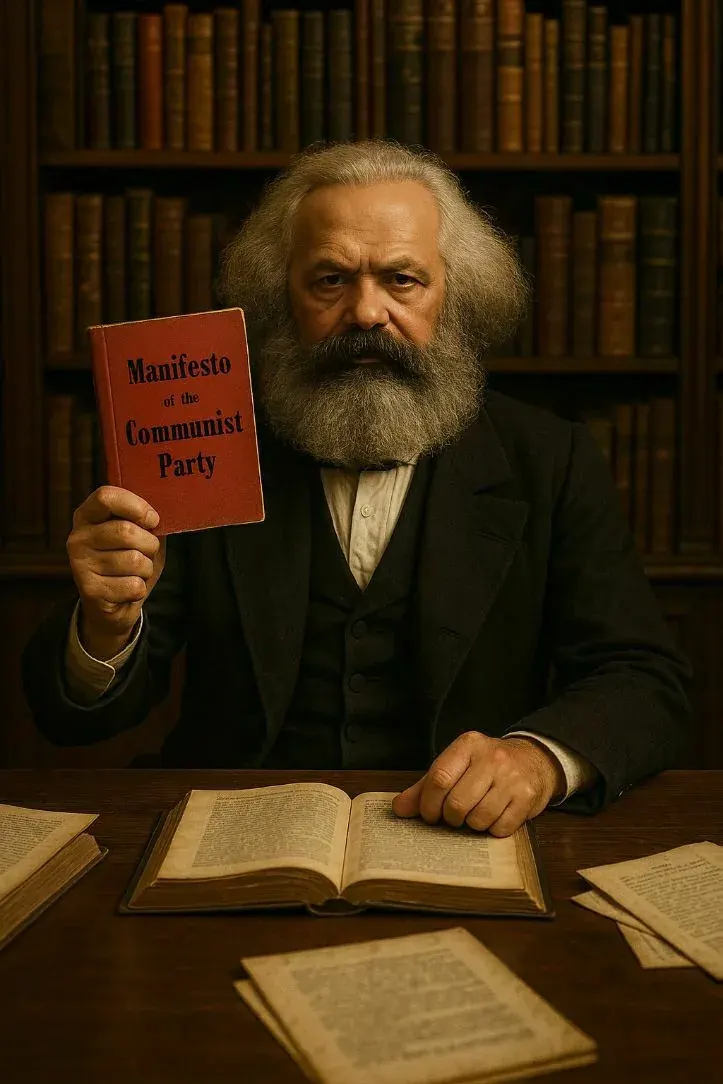
What this page covers
Lines in the Soviet Union book
This page explains how The Red New Deal describes the long lines that were part of everyday life in the Soviet Union, and how they grew out of the official ideology that shaped schools, universities, and party institutions.
The book shows how a rigid communist narrative, enforced through education and propaganda, coexisted with secret archives and censored information, creating deep contradictions that people felt while standing in endless queues for basic goods.
In brief
- Primary query: lines in the Soviet Union book. This page focuses on how The Red New Deal explains the causes and meaning of everyday queues in the USSR, from shortages to the role of ideology.
- Related query: schools in the Soviet Union book. A separate page covers how the book describes Soviet education, party courses, and the way ideology was taught in classrooms.
- This leaf page is part of the Daily life in Soviet Union book cluster and gives a concise overview of how the book links lines, shortages, and propaganda in real Soviet life.
What to do
In The Red New Deal, lines in the Soviet Union are presented as a direct outcome of a system driven by rigid communist ideology instead of open information and real market feedback. The official story claimed that the Communist Party had mastered history and economics, and this dogma was treated as a kind of “science.” Universities produced large numbers of degrees in the History of the Communist Party of the Soviet Union, while genuine historical archives and economic data were locked away. Admitting mistakes or shortages would have meant questioning the ideology itself, so problems were hidden instead of solved.
The book connects these abstract choices to daily life. Production targets were set to satisfy plans and slogans, not actual demand, so basic goods often disappeared from shelves. People learned to join any line they saw, just in case something useful was being sold. Queues turned into informal information networks that replaced a censored press and missing statistics. While official courses and propaganda insisted that socialism had defeated capitalist chaos, ordinary citizens spent hours in line for bread, meat, clothing, or shoes. This clash between what people were told and what they experienced is central to the book’s portrait of Soviet life.
The Red New Deal also places Soviet lines within a broader warning about concentrated state power and rigid ideology. It argues that systems which centralize authority and suppress honest feedback, whether in communist states like the USSR and today’s China or in modern democracies tempted by ever‑expanding central programs, risk similar distortions. When leaders defend a grand narrative instead of facing real shortages, waste, or insecurity, ordinary people pay the price in time, dignity, and opportunity. In the Soviet case, this meant citizens queued for basic goods while being told in classrooms and party meetings that they were living in a workers’ paradise.
What to keep in mind
The Red New Deal is openly critical of communism and of the Soviet system. Its account of lines and shortages stresses how official ideology dominated academic and public life, even though many students and citizens quietly rejected it. The book highlights that a large share of Soviet academic work was tied to party history rather than open research into real conditions.
A key theme is the gap between public doctrine and hidden reality. Archives on the true history and performance of the Soviet Union were classified, while the state promoted a polished story through schools, media, and propaganda. According to the book, this secrecy helps explain why shortages and lines persisted for decades: planners could not publicly admit failure without undermining the regime’s core claims.
The author also draws parallels between the Soviet experience and other highly centralized systems, including contemporary communist states and some trends in modern Western governments. These comparisons are interpretive and political, not neutral statistical studies. If you want detailed economic models of queues or deep archival research, the book suggests that you may want to read it alongside more specialized historical and economic works.