
Political nonfiction like Animal Farm
What this page covers
Political nonfiction like Animal Farm
Political nonfiction like Animal Farm looks at how real political and economic systems shape everyday life, freedom, and opportunity. These books often examine how promises of equality or “free” benefits can hide new forms of control, shortages, and trade‑offs that ordinary people are forced to bear.
Many of these works explore how official stories differ from what people actually live through. They look at propaganda, censorship, and history rewriting, and how leaders justify power while silencing dissent. Readers see how citizens try to keep their own memories and judgment in the middle of competing versions of the past and present.
In brief
- Expect clear, often uncomfortable critiques of political systems that show how rules are written to protect those in charge, while others pay the price in lost freedom, limited choices, and daily shortages.
- Look for authors who draw on first‑hand experience, documents, and speeches, and who encourage you to question slogans and big promises instead of accepting them as truth.
- These books often highlight how closed or authoritarian systems turn active citizens into passive subjects, raising hard questions about ideology, obedience, and what people are willing to trade for a sense of security or “free” benefits.
What to do
If you are drawn to Animal Farm for its political edge, similar nonfiction usually replaces allegory with direct accounts and analysis. Authors describe how real socialist or authoritarian systems worked in practice, how they affected work, family life, and culture, and why the cost of “free” services was often paid in lost privacy and personal freedom.
A recurring theme is political economy: who controls resources, who decides what is allowed, and who ends up standing in line or being watched. Writers compare systems that rely on central planning and control with more open markets and institutions, showing how different rules can lead to innovation and choice or to stagnation, fear, and dependence on the state.
Many of these books also make the author’s own background and influences clear. Instead of pretending to be neutral, they explain where their views come from, invite you to test their arguments against your own experience, and encourage critical thinking about any movement that promises everything for free without explaining the real cost.
What to keep in mind
Political nonfiction in this vein shows that politics is not only about leaders at the top. It often stresses how real change, for better or worse, comes from the choices of ordinary people, and how dangerous it becomes when a single party or ideology claims to speak for everyone and shuts down open debate.
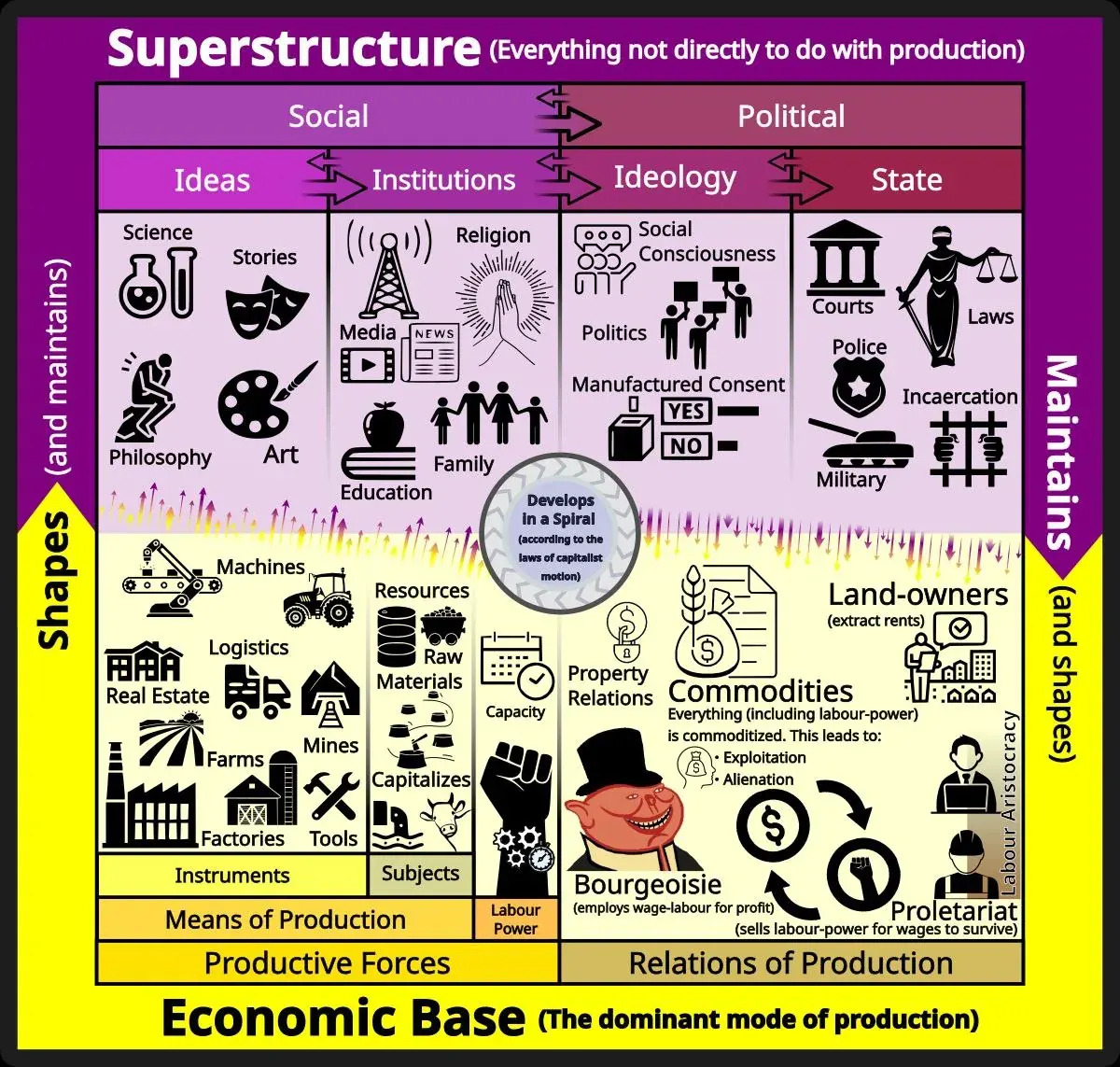
These accounts describe how, when one party fuses with the state and controls media, courts, and education, institutions that were supposed to protect citizens can become tools of pressure. People who once hoped to shape their own future can be pushed back into silence, dependence, and fear, even when the system still uses the language of justice and equality.
Some works also warn how career goals, fear of punishment, or the desire to fit in can slowly change what people believe. They raise difficult questions about personal responsibility in systems that reward loyalty over honesty, and about how quickly free societies can slide toward control when citizens stop asking what they are really giving up in exchange for comfort or “free” benefits.