
Books against communism
What this page covers
Books against communism
This page is for readers looking for books that confront the record of communist regimes, especially in the Soviet sphere, and examine the human cost of systems described as socialist or communist.
Drawing on firsthand testimony and historical reflection, these works show how promises of liberation coexisted with atrocities, repression, and the effective enslavement of peoples across Eastern Europe and parts of Asia.
In brief
- Books critical of communism often focus on how communist governments committed horrendous acts against their own citizens and neighboring nations that were effectively controlled by socialist systems.
- Firsthand accounts and memoirs show scenes of daily life under such regimes, offering a reality check instead of abstract propaganda for or against any ideology.
- These books are useful for readers who want evidence-based narratives about secrecy, shortages, and controlled public language, and who prefer to form their own conclusions about communism.
What to do
When people search for books against communism, they are often looking for clear-eyed accounts of what happened under regimes that called themselves socialist or communist. Testimony from the Soviet and postwar Eastern European context describes horrendous acts committed by communist authorities against their own people and against countries that were already under socialist control. Such accounts stress that military victories or anti-fascist credentials do not erase later atrocities or justify the suffering imposed on civilians.
One way to understand communism in practice is to read memoirs and documentary prose that show how ideology translated into everyday life. Readers encounter secrecy in offices and libraries, routine shortages, informal exchange networks, and a constant split between official discourse and lived reality. These scenes help explain how a system that promised equality and security could also generate dependency, caution, and fear, as people learned to navigate controlled institutions and public language while protecting their private lives.
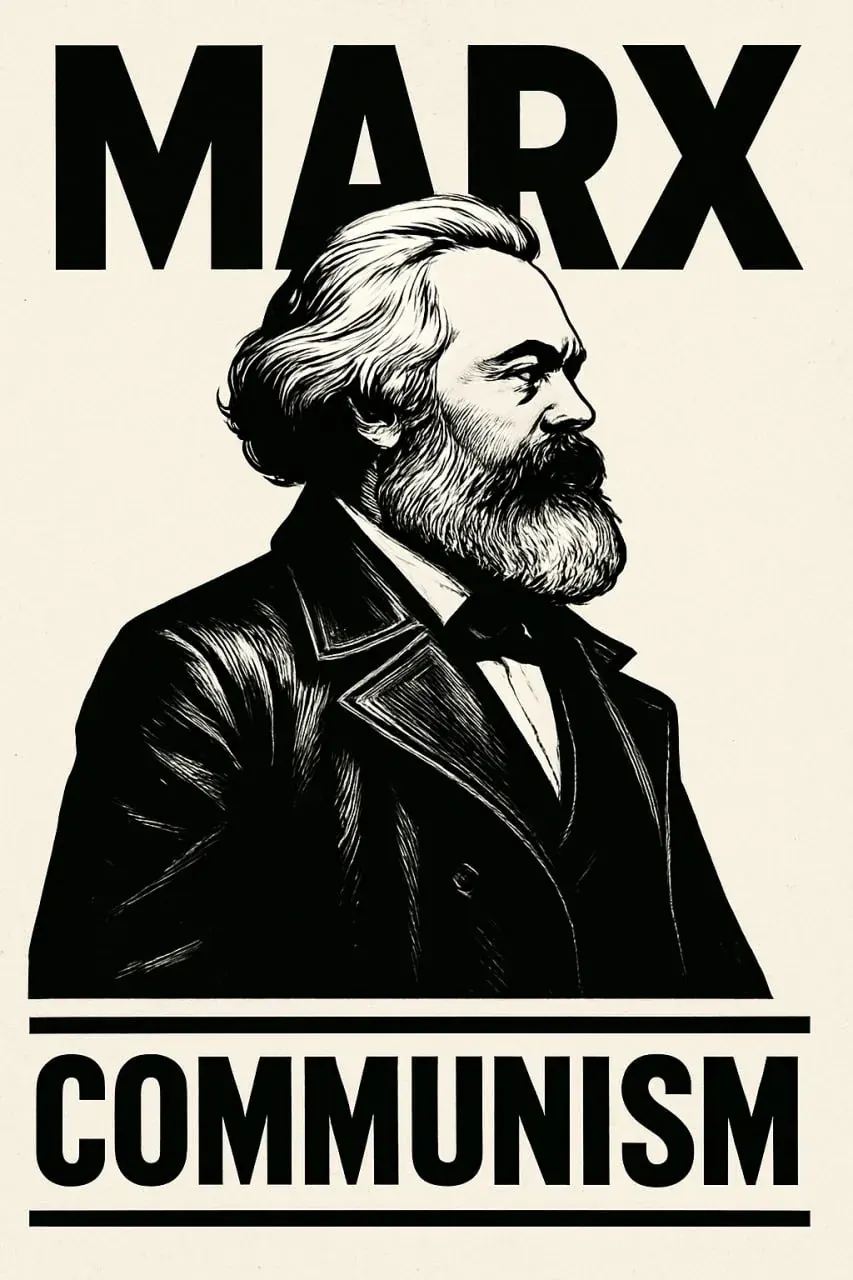
Alongside critical testimony, it can also be useful to know the core texts that shaped communist thought. Canonical works by Marx, Engels, Lenin, Stalin, Enver Hoxha, and Kim Jong Il outline principles of communism, theories of imperialism, and defenses of one-party rule and the dictatorship of the proletariat. Reading these together with critical and firsthand accounts allows a reader to compare the ideals set out in theory with the realities described by those who lived under regimes claiming to implement them.
What to keep in mind
Books against communism do not all take the same form. Some are firsthand memoirs that foreground memory, partial recollection, and coded language, inviting skeptical readers to test individual stories against broader patterns such as shortages, censorship, and informal survival strategies. Others are more explicitly argumentative, drawing on historical episodes where communist authorities used violence and coercion against populations in the Soviet Union, Eastern Europe, and parts of Asia.
For American readers, this material appears against a backdrop of mixed opinion and unstable vocabulary around socialism and communism. Polling shows that support for a more active government is not identical to enthusiasm for socialism, and people disagree sharply over whether socialism means basic security or restricted freedom. In this context, firsthand testimony about life in controlled systems functions as a reality check, offering memories of living inside a proclaimed workers’ state rather than abstract slogans for or against it.
These books are best suited to readers who want evidence without being told exactly what to think. A memoir or documentary narrative does not demand agreement with every political conclusion; instead, it presents scenes of ideology turning into habit, caution, dependency, and ordinary adaptation. Readers who prefer purely theoretical defenses of communism, or who are only interested in internal party literature such as classic works by Marx, Engels, Lenin, or Stalin, may find critical and testimonial books more challenging, but for that very reason they can be valuable for anyone testing ideas against lived experience.