
Free is not free socialism book
What this page covers
Free is not free socialism book
This page is for readers looking for a book that explains why socialism is never truly free, and how our ideas about freedom and reality are shaped. It connects a critique of socialism with a deeper look at how our own thinking shapes what we feel and experience.
The focus is on a perspective that contrasts socialism with capitalism and emphasizes personal responsibility, free will, and clear thinking, so you can better understand the real costs hidden behind promises that everything can be free.
In brief
- This book is for people who want a clear explanation of why socialism is not free, and how it differs from systems based on voluntary, free‑will choices and market exchange.
- It links political and economic ideas with how our perception of reality is created by our own thinking and self‑image, which in turn shapes what we feel, tolerate, and do in daily life.
- The book is positioned for readers, including millennials and Gen Z, who want to question ideological promises and understand the moral and practical stakes of socialism versus capitalism.
What to do
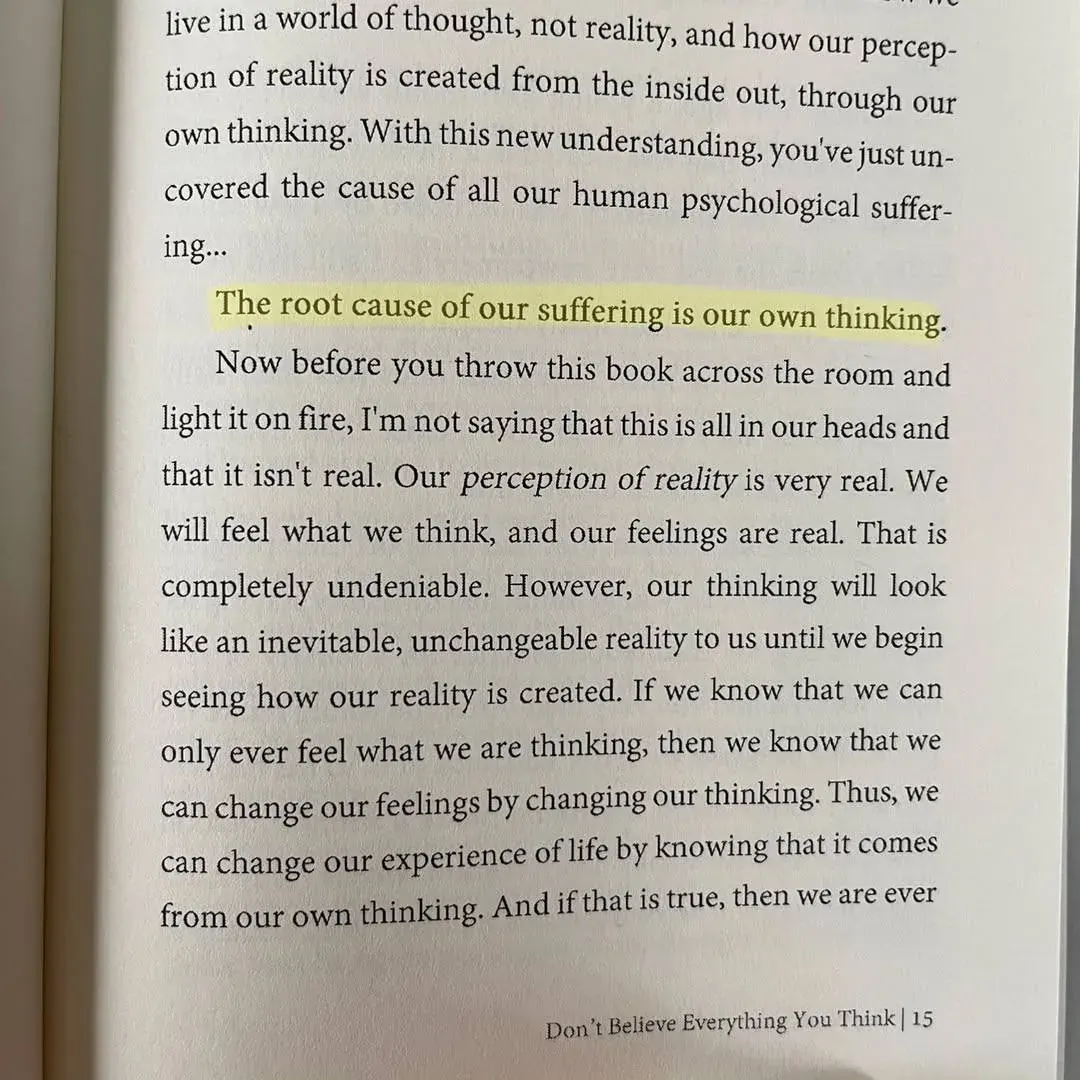
A central theme in this book is that our perception of reality feels completely real, yet it is created by our own thinking. We only ever feel what we are thinking, so when our thoughts change, our feelings and our experience of life can change as well. This perspective invites readers to look beyond what seems inevitable or unchangeable and to see how beliefs about politics, economics, and freedom are formed in the mind.
The author argues that it is not enough to hate or criticize socialism; one must also understand and value capitalism more deeply. Capitalism is presented as both economically and morally superior, grounded in logical persuasion and free‑will choices made by market participants. In contrast, socialism is described as relying on ideological coercion and political enforcement, with a particular emphasis on force that people ultimately find intolerable.
Alongside this critique, the book draws on ideas about self‑image and human behavior. It suggests that an adequate, realistic self‑image expands the “area of the possible,” turning failure into success and reshaping what individuals believe they can or cannot do. By combining a defense of capitalism, a warning about the coercive nature of socialism, and insights into how thinking and self‑image shape experience, the book aims to help readers reassess claims that socialism offers something for free.
What to keep in mind
The critique of socialism in this book is grounded in specific claims about how socialist systems operate. Socialism is associated with detachment from reality, lack of accountability for inept rulers, and excessive self‑praise for accomplishments that do not exist in everyday life. The text points to mass deaths and a constant stream of propaganda as part of a fake reality that attempts to cover dismal outcomes.
The author emphasizes that socialism cannot survive in an atmosphere of free speech. In this view, open discussion and criticism expose the gap between official narratives and lived experience, making it harder to maintain ideological control. Capitalism, by contrast, is framed as compatible with freedom of speech and voluntary decision‑making, relying on persuasion rather than force.
This book is suited to readers who want a strongly critical perspective on socialism and a defense of capitalism’s moral and economic legitimacy. It may not be a fit for those seeking a neutral or sympathetic treatment of socialist ideas. Instead, it is written for people who are willing to question promises of free benefits, examine the role of coercion in political systems, and reflect on how their own thinking and self‑image influence what they accept as reality.