
Anti communism book
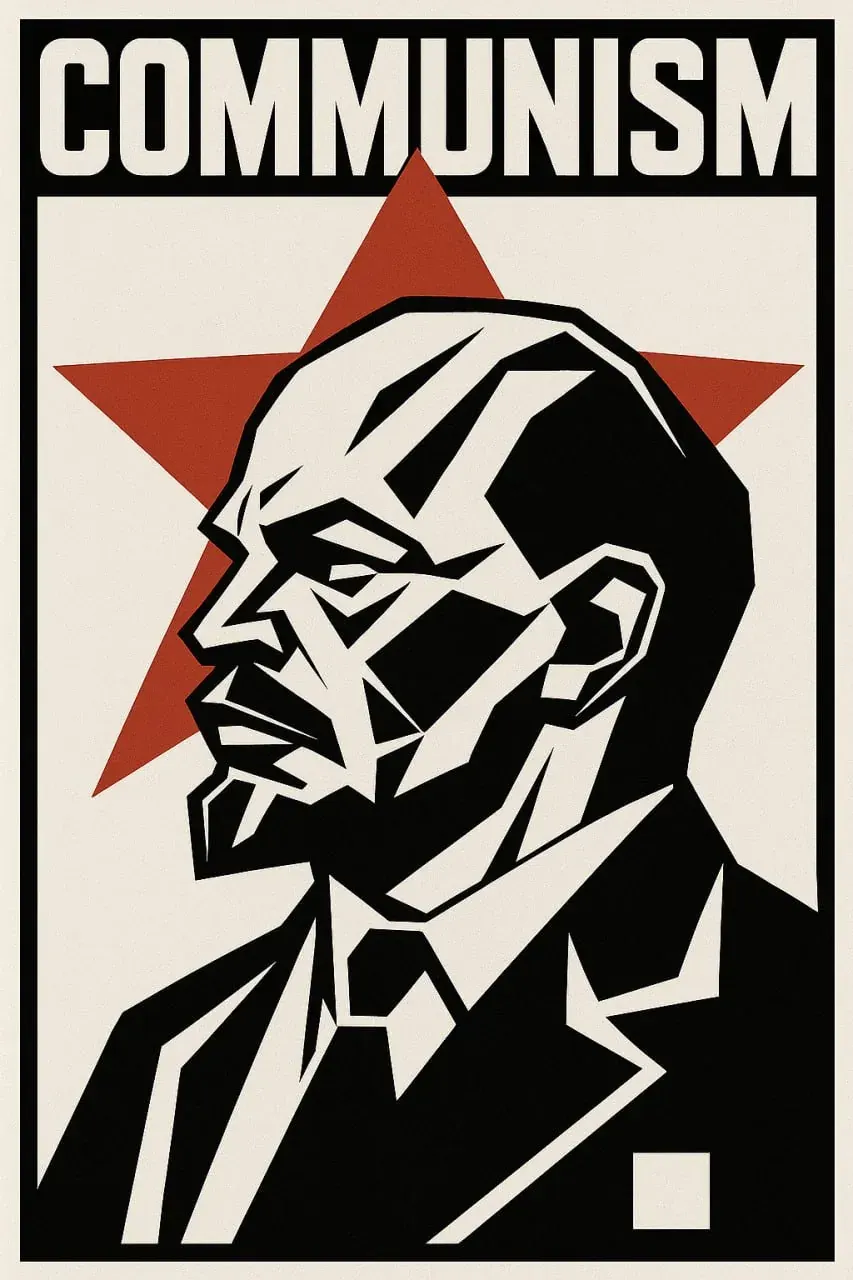
What this page covers
Anti communism book
This page features an anti-communism book from The Red New Deal project, written by an author who grew up in the USSR under real-world socialism and later watched Western debates about “free” benefits and socialism with concern.
Drawing on first-hand memories of shortages, control, and restrictions, the book compares stages of Soviet socialist development with current social and political trends in the United States, asking readers to think about how ideology, class, and everyday life actually play out in practice.
In brief
- A first-person warning about real-world socialism
- Written by someone who grew up in the Soviet Union, this anti-communism book links daily life under socialism with today’s pro-socialist trends in Western democracies.
- From lived experience to current debates
- The author traces parallels between Soviet socialist development and modern American tendencies, encouraging readers to question comforting promises and look at real historical outcomes.
What to do
This anti-communism book, part of The Red New Deal project, centers on one core idea: to show what socialism looks like not in theory, but in everyday life. The author spent his childhood in the USSR and later watched new enthusiasm for socialism in the US and other democracies, recognizing patterns he had already seen once before.
Instead of treating the Soviet Union as a distant abstraction, the book walks through concrete stages of socialist development and pairs them with familiar modern trends. Readers see how promises of equality coexisted with empty shelves, rationing, and long lines; how a privileged elite enjoyed better housing, clinics, and stores; and how censorship, propaganda, and politicized education tried to shape not only what people said, but what they believed. These scenes are then compared with current arguments about fairness, “free” services, and expanding state power in the United States.
The result is not a Hollywood caricature or a recycled set of talking points, but a narrative grounded in material conditions, institutions, and incentives. By relying on lived experience and specific detail, the book challenges romantic views of socialism and shallow, slogan-driven commentary. It is aimed at individual readers and book clubs that want to move beyond labels and ask harder questions about freedom, cost, truth, and the human impact of political experiments.
What to keep in mind
This book is openly anti-communist and critical of socialism as it actually worked in the Soviet Union. It is best suited for readers who want to look closely at everyday realities such as shortages, privilege structures, censorship, and ideological schooling, then compare them with current American debates about fairness and government responsibility.
It does not try to be a neutral academic survey or a full global history of communism. For broader context or different viewpoints, readers can pair it with other works on Soviet history and political theory, including books that approach the subject from other ideological positions.
The book works especially well for book clubs and discussion groups because it offers vivid scenes and concrete institutions to analyze, not just abstract theory. At the same time, it assumes a willingness to face uncomfortable evidence about how egalitarian rhetoric can create new hierarchies and how official stories can differ sharply from private experience.